








Roof Covering Is Missing or Open
When shingles, panels, or another roof covering are gone and the underlayers are exposed, a temporary covering can help limit direct weather exposure before permanent repairs begin.
When a storm opens part of the roof, the immediate goal is to limit additional weather exposure until permanent work can be planned. For Broken Arrow properties, Infinity Roofing and Construction uses roof tarping as a temporary measure where appropriate, records the affected condition, and identifies what should be addressed when the permanent repair scope is prepared.
Emergency roof tarping is temporary protection for a roof that has been opened or compromised by storm damage, fallen debris, or another sudden event. Its job is to reduce further exposure until permanent roofing work can be planned safely.
When shingles, panels, or another roof covering are gone and the underlayers are exposed, a temporary covering can help limit direct weather exposure before permanent repairs begin.
Active water entry after roof damage can make temporary protection a priority. The affected area still needs inspection so the tarp is treated as an interim step, not the finished repair.
Storm conditions, access, materials, or the need for a fuller damage review can delay permanent work. Tarping can protect an accessible damaged area while the next roofing step is organized.
The City of Broken Arrow Emergency Management program prepares residents for severe storms and tornado conditions that can bring high winds and debris. After a roof is opened by a storm, Infinity focuses first on safe access, visible damage, and temporary protection where tarping is appropriate, then separates that short-term measure from the permanent repair plan.
Tarping should address the exposed problem without being confused with a permanent roof repair. Infinity evaluates the damaged area, documents the condition, and uses temporary protection only where site and weather conditions allow safe work.
The visit starts by locating the damaged or open section and checking the surrounding roofing for visible conditions that affect how temporary protection can be placed.
A temporary covering is positioned over the accessible exposed area to reduce direct rain entry while the permanent repair or replacement scope is still being determined.
Damage near ridges, valleys, walls, vents, or roof edges can complicate temporary protection, so the surrounding transitions are reviewed before the tarp plan is finalized.
When water is already entering, visible interior staining or dripping can help identify where the roof opening may be affecting the building, even though water can travel before it appears inside.
Infinity includes photo and video documentation with the visit so the original roof condition and the temporary protection can be reviewed later during repair planning.
After the immediate exposure is addressed, Infinity explains what inspection, repair, or replacement work should be considered to restore the roof beyond the temporary tarp.
Temporary tarping is intended to reduce weather exposure at an accessible damaged area while a permanent solution is being arranged. Permanent roofing work still needs its own approved scope based on the roof condition, material needs, safe access, and any additional damage discovered after the emergency is stabilized.
Emergency does not mean unsafe. The work still depends on weather, roof access, and the condition of the damaged area. Inside the property, keep people away from active leaks or damaged ceilings and protect belongings only when it is safe to do so.
The size and location of the opening, roof pitch, height, access, surrounding damage, active weather, wet surfaces, and debris can all affect what temporary protection is practical and safe.
Tarping depends on safe working conditions. Dangerous wind, lightning, unstable surfaces, or other site hazards can prevent roof access until conditions improve.
Stay clear of sagging ceilings, wet electrical areas, and exterior debris. Move vulnerable belongings away from leaks when safe, and share the location of indoor water entry with the roofing team.
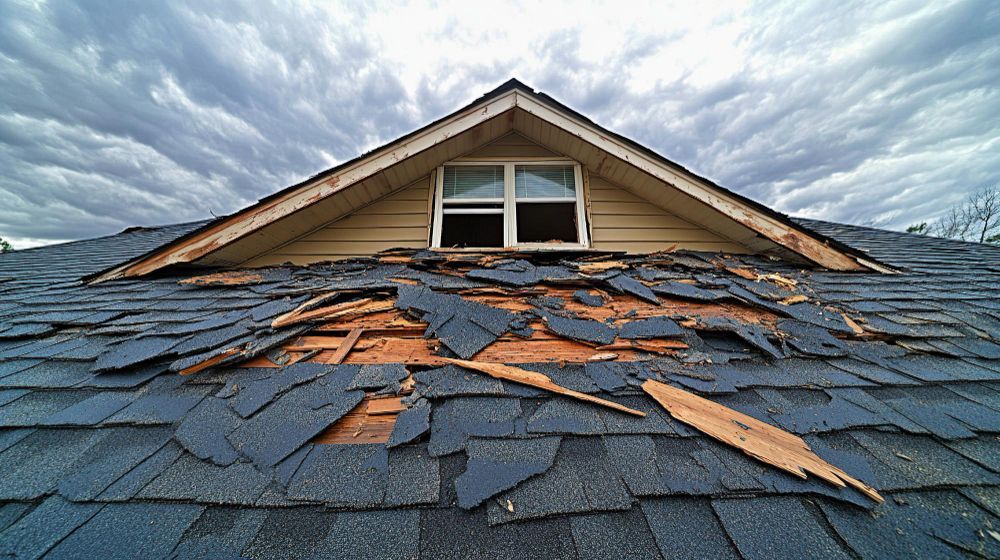
Infinity provides photo and video documentation with inspections and maintenance visits, and that same visual record is useful when emergency roof damage is being stabilized. It shows the visible opening, surrounding condition, and temporary protection before later roofing work changes the scene.
Temporary protection can reduce exposure, but it does not restore the roof system. The damaged area still needs a permanent repair or replacement plan based on what the roof inspection supports.
Once immediate exposure is addressed, these resources can help you compare permanent repair, storm documentation, stronger-roof options, and examples of finished roofing work.
These answers explain the role of a temporary roof tarp, the safety limits around emergency work, and what property owners should expect once the immediate opening is protected.
No. A tarp is temporary protection intended to reduce exposure at a damaged roof area. The roof still needs a permanent repair or replacement scope that addresses the actual damaged materials and details.
Tarping depends on safe access. Dangerous wind, lightning, wet surfaces, falling debris, or unstable roof conditions can make roof work unsafe until the weather and site conditions improve.
Keep people away from sagging ceilings, wet electrical areas, and any place where materials may fall. Move belongings away from the leak only when it can be done safely, and tell the roofing team where water is appearing.
A temporary tarp can reduce direct exposure at the covered area, but it cannot guarantee that every water path will stop. Water may travel through roof assemblies or enter from damage outside the protected section.
The roof condition should be reviewed for a permanent solution. Infinity can use the documented damage to explain whether a focused repair, broader corrective work, or replacement planning is the appropriate next step.
Coverage depends on the policy, cause of loss, documentation, and the insurance carrier’s decision. Infinity can document visible conditions and the roofing work, but it does not decide whether a claim is covered.
Request temporary roof protection for an accessible storm-damaged area, then use the documented condition to plan the permanent roofing work the property actually needs.