







Shingles Are Missing or Out of Line
Sections that look uneven, shifted, folded, or newly exposed after a wind event deserve inspection because the visible change may extend beyond the piece you can see from the ground.
Strong winds can disturb shingles, roof edges, flashing, and other exposed areas before a leak becomes noticeable indoors. Infinity Roofing and Construction evaluates the roof in Broken Arrow, documents visible concerns with photos and video, and explains what the condition points to so property owners can make an informed repair or replacement decision.
Wind damage often starts at roof edges, ridges, flashing, or materials that were already vulnerable. Missing shingles are easy to notice, but lifted seals, shifted pieces, and loosened details can require a closer look.
Sections that look uneven, shifted, folded, or newly exposed after a wind event deserve inspection because the visible change may extend beyond the piece you can see from the ground.
High points and perimeter details take direct wind pressure. Loose ridge material, displaced edge components, or changed flashing can create entry points even when the main roof field appears intact.
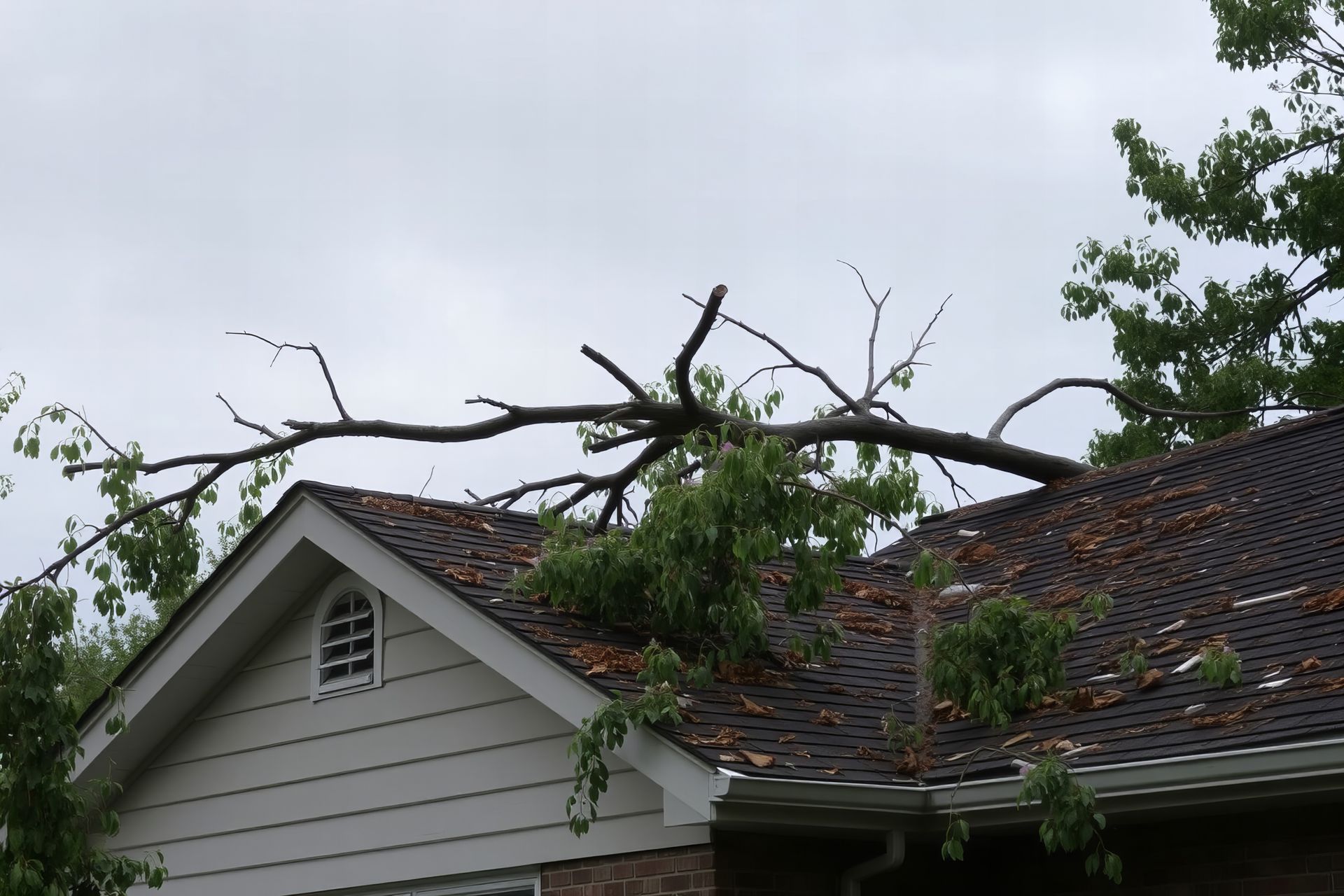
Branches and storm debris can affect roofing, gutters, vents, and flashing in a concentrated area. Infinity documents visible conditions and recommends roofing work based on what the inspection finds.
Broken Arrow plans for severe weather that includes high-wind hazards. The City of Broken Arrow Multi-Hazard Mitigation Plan evaluates tornado and high wind as a local hazard and also recognizes high winds as one of the effects associated with thunderstorms. Infinity checks the roof perimeter, ridges, slopes, penetrations, flashing, and other details where wind can loosen or shift materials.
A wind inspection follows the places where pressure, uplift, and moving debris can change the roof. Infinity records accessible conditions and looks for connected problems instead of stopping at the first missing or lifted piece.
Roof edges and eaves are checked for displaced materials, exposed areas, loose edge components, and visible changes that may have started where wind first caught the roofing system.
Ridges and hips sit high on the roof and can take direct wind exposure. The inspection checks for pieces that are missing, shifted, lifted, cracked, or no longer seated as expected.
Even when shingles remain in place, wind can leave visible lifting, creasing, torn tabs, or irregular alignment. Accessible areas are reviewed for those changes across the affected slopes.
Metal transitions, vents, pipe details, wall connections, and other openings are checked for movement, separation, or damage that could create a pathway for water.
Infinity includes photo and video documentation with each inspection, giving property owners a visual record of the roof areas discussed during the findings review.
After the inspection, Infinity explains whether the visible condition supports a targeted repair, broader corrective work, or a replacement discussion based on the roof as a whole.
What wind damage can look like varies by roof slope, edge exposure, material condition, and the path of the storm. One area may show obvious movement while another appears unchanged. What the inspection provides is a documented roof condition and roofing recommendation. If an insurance claim is involved, coverage remains the carrier’s decision.
Start with a ground-level look and keep safety ahead of curiosity. Loose materials, wet surfaces, hanging branches, and unsettled weather can make a storm-damaged roof risky to access without the right conditions.
Look for missing or displaced roof material, pieces in the yard, changed ridge lines, loose gutters, or debris resting on the roof. Do not climb up just to confirm a suspected problem.
Steep pitch, wet surfaces, active wind, debris, tree hazards, roof height, and damaged areas can affect whether every section can be inspected safely during the first visit.
Infinity reviews the documented conditions, explains the roofing work that fits those findings, and identifies any next step that should be planned before permanent work begins.
Wind-related changes can be difficult to understand from the driveway. Infinity provides photo and video documentation with each inspection so you can review the visible condition of edges, slopes, penetrations, and other affected areas.
The inspection considers the surrounding roof, not just the most obvious spot. A roofing recommendation is based on how the visible wind effects relate to the rest of the system.
Use these pages to compare focused repairs, storm-related documentation, stronger-roof systems, and completed work after your wind inspection is finished.
These answers address the less obvious wind-damage questions that come up when the roof is still in place but something looks or feels different after a storm.
Yes. Shingles can remain on the roof while showing lifting, creasing, torn edges, or shifted alignment. A roof-level inspection is useful when the storm was strong but the damage is not obvious from the ground.
It is safer to stay on the ground and note what you can see. Loose material, wet surfaces, debris, and damaged sections can make roof access hazardous after a storm.
It can. A shifted shingle, loosened flashing detail, or disturbed roof opening may not produce an interior stain right away. Later rain can expose a problem that began during the wind event.
Infinity includes photos and video with its inspections and can document visible roof conditions. That information can support a clear roofing record, but the insurance carrier decides coverage under the policy.
Yes. Roof orientation, surrounding buildings or trees, roof geometry, and the path of the wind can create different conditions across the same property. The inspection compares the affected areas with the rest of the roof.
Tell the inspector where the impact occurred if you know. Infinity can check the strike area, nearby roofing, flashing, gutters, or roof openings for visible damage and then explain the appropriate roofing next step.
Schedule a roof inspection after strong winds and get a documented view of the visible condition, including photo and video evidence and a roofing recommendation based on the areas actually affected.